
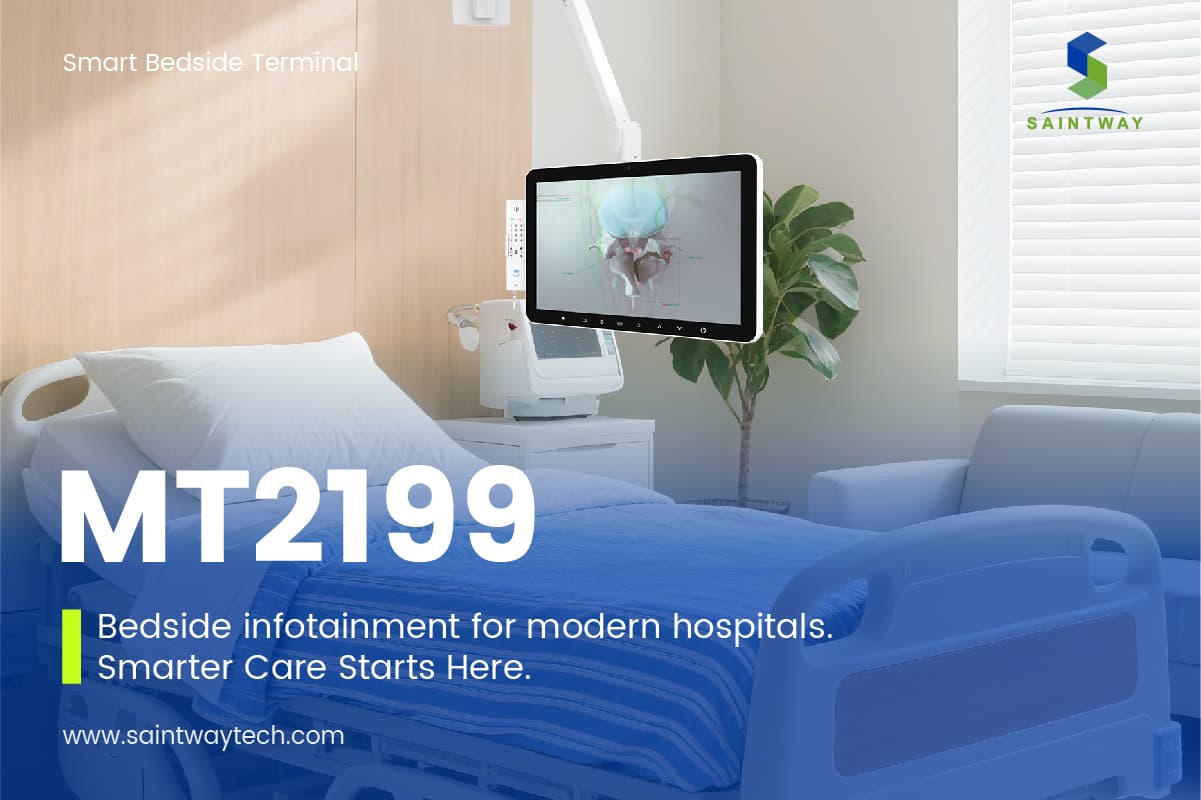
The patient infotainment terminal market is undergoing a radical identity shift. No longer just a TV at the end of the bed, the global market—valued at approximately USD 759 million in 2025—is projected to breach the USD 1.2 billion mark by 2032, growing at a CAGR of 6.8%. For hospital CIOs and strategic planners in North America and Europe, this growth is not driven by entertainment, but by a critical financial lever: HCAHPS-linked reimbursement. In 2026, a bedside terminal is a clinical asset that reduces readmission penalties, automates nursing workflows, and serves as the physical interface for Generative AI in hospitals.
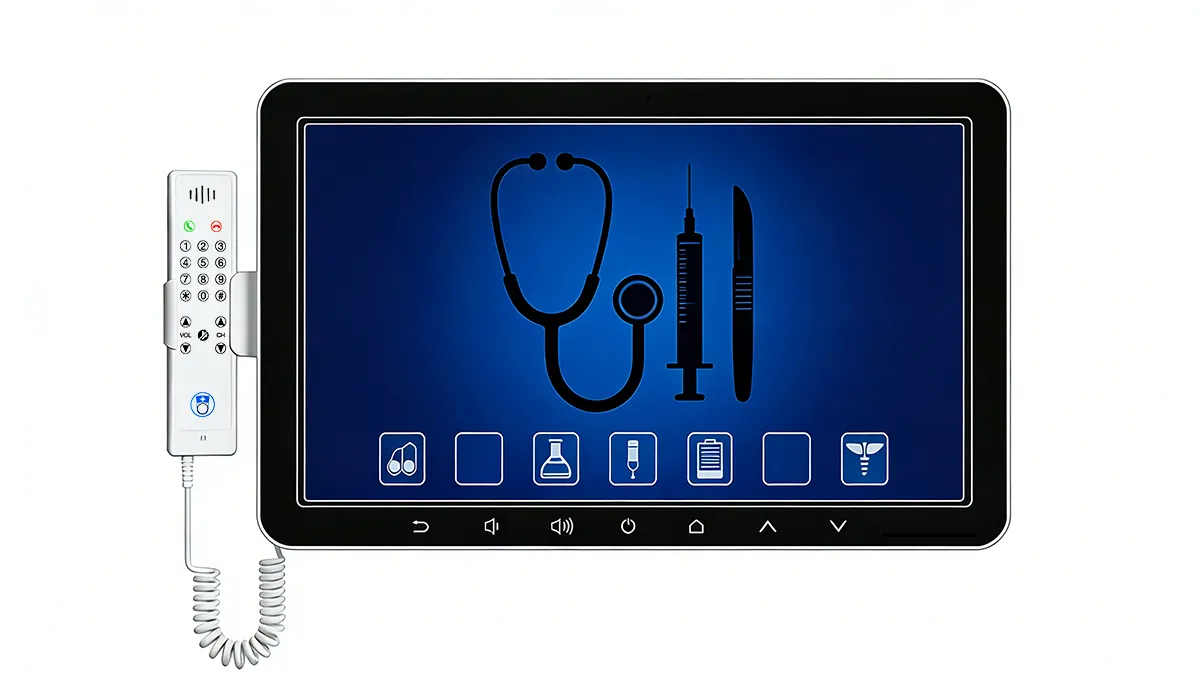
The Pain Point: The High Cost of “Do Nothing”
Healthcare systems are facing a “perfect storm” of aging populations and staffing shortages. By 2030, one in six people will be over 60, increasing the demand for long-term bed management. Simultaneously, the 2025 CMS revision extended HCAHPS survey windows, making every patient interaction measurable.
The core question we solve today: How do you turn a patient room expense into a revenue-protecting asset?
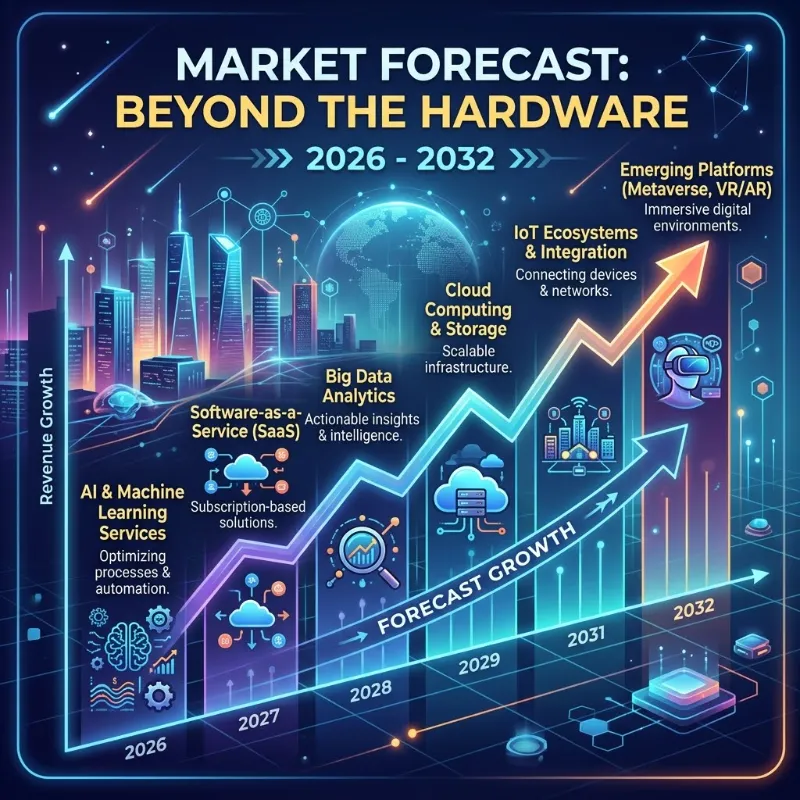
Market Forecast: Beyond the Hardware (2026-2032)
To understand the patient infotainment terminal market, one must ignore the “screen” and focus on the integration.
- Market Valuation: Starting at 759Min2025,expectedtohit1.199B by 2032.
- The Driver: 85% of health systems plan to embed generative-AI tools by 2025, and the bedside terminal is the final display layer for those insights.
- Regional Lead: North America holds 35.4% share, dominated by the US where reimbursement models penalize poor communication.
The “PoE & Wi-Fi 6” Infrastructure Effect
The total cost of ownership (TCO) has dropped significantly. Hospitals upgrading to Power over Ethernet (PoE) can install terminals without expensive electrical permits, cutting installation costs by up to 40% and shortening project payback to 18-24 months.
The Case Study: Stockport NHS Foundation Trust (UK)
*Source: Spark TSL / Stockport NHS (Verified 2025 Deployment)*
The patient infotainment terminal market is validated by real-world clinical outcomes. In early 2025, Stepping Hill Hospital (serving 350,000 residents) deployed 473 SPARK Fusion® iPads across 20 wards.
The Challenge: Language barriers and high call bell volumes were crippling nurse efficiency.
The Solution: Integration of CardMedic—a platform offering 200+ languages and BSL (British Sign Language)—directly into the bedside device.
The Result:
- Patients who previously struggled to communicate can now access instant interpreter services.
- Nurse call bells for non-clinical requests dropped significantly.
- Chief Nursing Information Officer Pam Fearns noted: “CardMedic will enable patients to voice their needs where previously they may have struggled.”
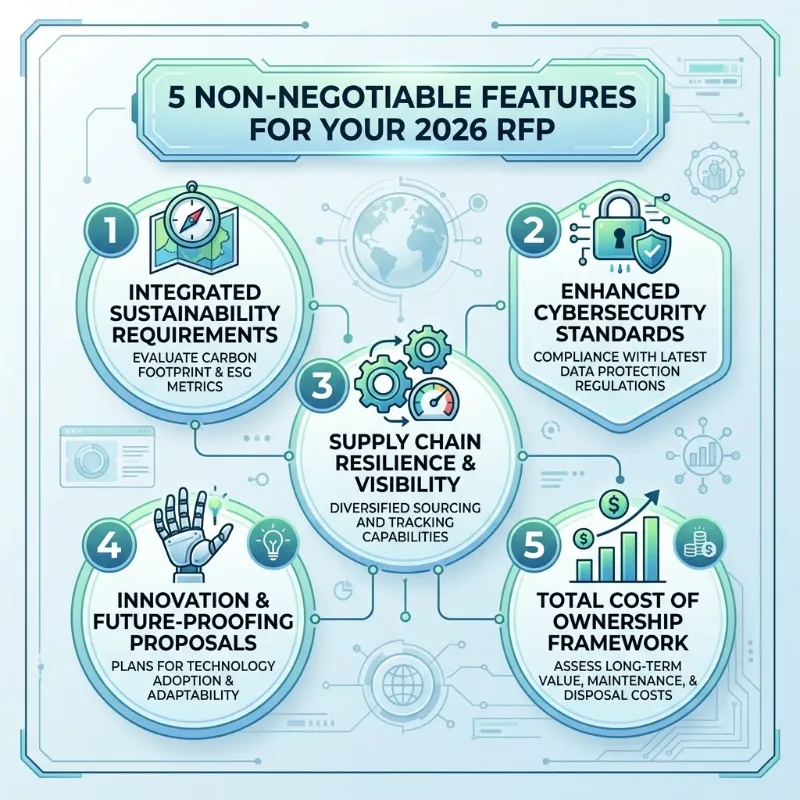
5 Non-Negotiable Features for Your 2026 RFP
When evaluating vendors (such as Advantech, Barco, or Onyx), ignore the brightness of the screen. Focus on these interoperability metrics:
- EHR Bi-Directional Sync (Epic/Cerner): The terminal must pull live lab results and push patient education acknowledgements back to the chart automatically.
- Smart Nurse Call Integration: The system must allow patients to request “Water” or “Blanket” via a workflow that does not ring the main nurse audio line, reducing alarm fatigue.
- Virtual Rounding (Telehealth): With staffing shortages, 4K cameras for remote specialist consults are no longer “nice-to-have” .
- Antimicrobial & Zero-Touch UI: Screens must be cleanable with harsh chemicals, and the interface must support voice commands for immobile patients.
- Zero-Trust Security: Post-discharge, the terminal must automatically wipe all patient data to comply with 2025 HIPAA updates (MFA and encrypted data at rest).
Overcoming the “Capex Barrier”
The primary restraint cited in market reports is the high capital expenditure (2,000–8,000 per unit). However, new financial models are emerging.
- ROI Calculation: Facilities with integrated systems save an average of 28 minutes per nurse per shift in non-clinical tasks.
- Readmission Penalties: High-definition “teach-back” modules on the terminal reduce 30-day readmissions, protecting up to 2% of base DRG payments.
Frequently Asked Questions (FAQ)
Q1: What is the difference between a patient infotainment terminal and a standard hospital TV?
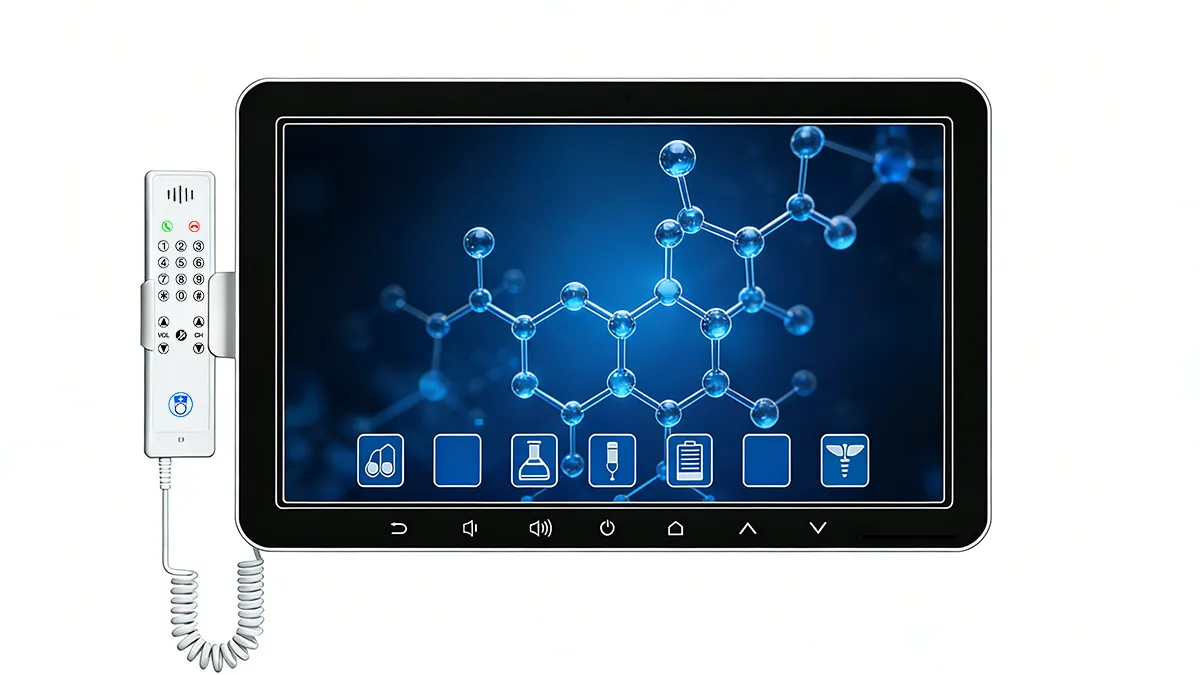
A: Standard TVs are passive. Patient infotainment terminals are active I/O devices. They connect via HL7/FHIR to the EHR , allowing patients to view lab results, order meals, video chat with doctors, and complete mandatory discharge surveys. They are a data collection point, not just a screen.
Q2: Is the market shifting toward “BYOD” (Bring Your Own Device)?
A: Partially. BYOD (tablets) is growing at 9.6% CAGR, primarily for infection control and flexibility. However, fixed arm terminals still hold 52.5% share in ICUs because they offer reliable cable management, never need charging, and provide stable viewing angles for critical vitals monitoring.
Q3: How do I calculate ROI for these systems?
A: The patient infotainment terminal market ROI is calculated via three metrics:
- Labor: Reduction in non-clinical nurse tasks (e.g., answering “where is my lunch?” calls).
- Reimbursement: Improvement in HCAHPS “Communication” scores impacting Medicare margins.
- Throughput: Reduction in discharge time (patients watch discharge videos and sign forms digitally at the bedside).
Q4: Who are the key vendors in 2026?
A: The market remains fragmented but is consolidating around integration experts. Key players include Sanitway,Advantech (HIT-507 series), Barco, Siemens Healthineers, PDi Communication, and ClinicAll The trend is toward software middleware vendors who can bridge existing nurse-call systems with new Android-based tablets.
H2: Future Outlook: The AI Bedside
The patient infotainment terminal market will grow 10.8% in APAC due to super-aging societies, but the innovation is in the US/EU. By 2027, these terminals will feature ambient voice agents that transcribe nurse-patient conversations directly into the medical record, reducing documentation time further -1. Hospitals that view this technology as “infotainment” will fall behind; those that see it as clinical infrastructure will lead the next decade of smart hospitals.
- [Read more: How to secure HL7 integration for bedside devices]
- [Case Study: Reducing alarm fatigue with smart LED nurse call systems]
Sources:
- Mordor Intelligence: Patient Infotainment Terminal Market Share & 2030 Trends
- LP Information Inc.: *Global Patient Infotainment Terminals Market Growth 2026-2032*
- Spark TSL / Stockport NHS: Bedside Communication Transformation (2025)
- Saintway Tech: 2026 Guide to Smart Bedside Infotainment Systems
Latest Content
- Hospital Patient Room TV: Specs & Buying Guide
- The Ultimate Guide to Choosing a Medical Display Manufacturer (2026)
- Reshaping the Ward Experience: From Hardware Terminals to Supply Chain Strategy
- How Can Medical Device Manufacturers Optimize Their Supply Chain Strategy for Resilience and Efficiency?
- 21.5-Inch Bedside Medical Infotainment Display: Complete Hospital Guide 2026