
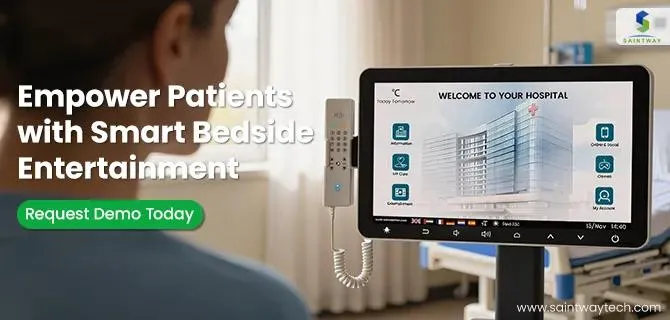
Hospital rooms used to feel cold and boring. Patients lay there, staring at blank walls, waiting for the next check-in. Now, things have changed. Bedside infotainment systems turn that space into a lively spot. They let patients watch shows, learn about their health, and even chat with family. This shift meets the growing need for more active patient involvement.
These tools do more than pass time. They boost comfort and access to key info. In this piece, we’ll look at what makes bedside infotainment hubs tick. We’ll cover their features, perks, setup issues, and the money value they bring to hospitals. By the end, you’ll see how they fit into better care routines.
Core Functionality: Defining Bedside Infotainment Hubs
Bedside infotainment goes beyond a simple TV setup. It’s a smart hub built into the patient’s room. Touchscreens or voice controls link entertainment, health info, and staff tools. This all-in-one design keeps everything handy without extra gadgets.
The system ties into the hospital’s network. Patients control lights or blinds too. Nurses get alerts right away. It’s like having a personal assistant at the bed.
Interactive Patient Portals and Education
Patients log in to see their own care plans. They check med times and watch short videos on recovery steps. These clips explain surgery prep or how to handle a chronic issue at home. Discharge tips pop up too, clear and easy to follow.
Studies back this up. One from the Journal of Patient Experience found that folks who watched custom videos stuck to their plans 30% better. Adherence jumps because info feels personal. No more confusing pamphlets.
Hospitals use these portals to track views. If a patient skips a video, staff follow up. This simple step cuts confusion and speeds healing.
Entertainment and Comfort Services
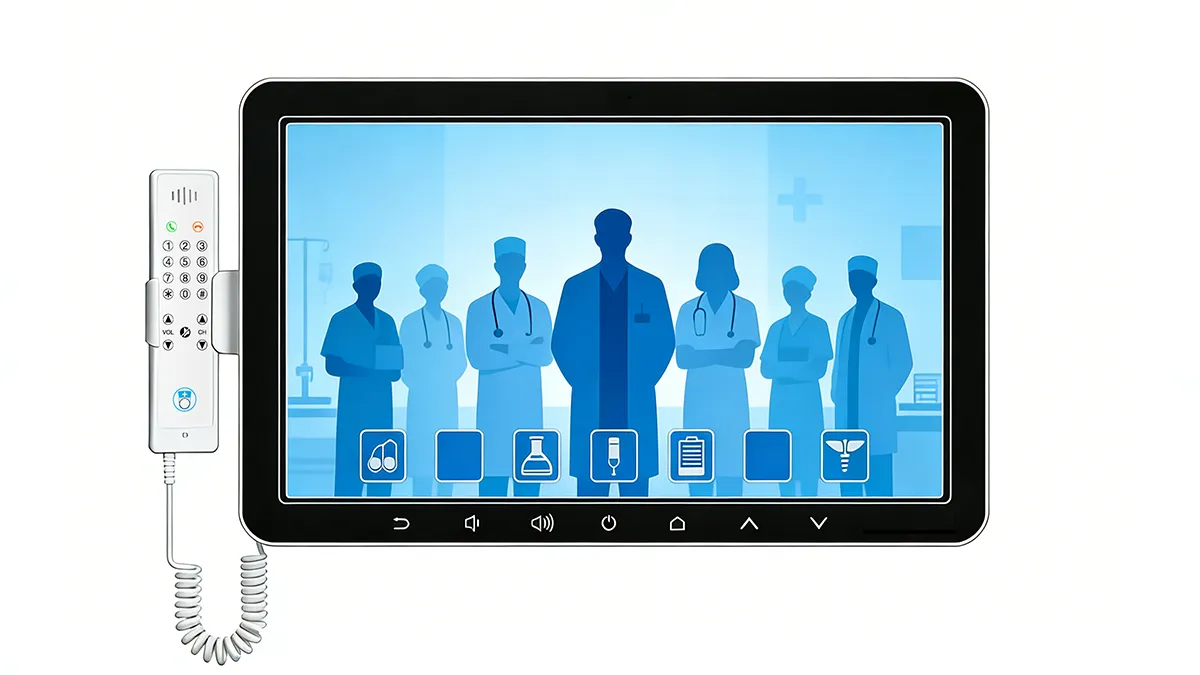
Boredom hits hard during long stays. Bedside infotainment fights that with on-demand movies and music. Browse Netflix or Spotify from the bed. Some systems offer games like puzzles, safe for bed rest.
Take Cleveland Clinic. They rolled out streaming in rooms back in 2020. Patients report less stress and better sleep. It’s a small win that makes big days bearable.
Add relaxation sounds or guided meditation. Controls for room temp keep things just right. These touches turn a hospital bed into a home away from home.
Communication and Connection Tools
Loneliness creeps in fast for isolated patients. These systems let you call a nurse with one tap. Video calls bring family faces close, even from afar. Secure texts go to doctors too.
Set a “Do Not Disturb” mode. It links to the nurse call button, so rest times stay protected. No interruptions during naps or chats.
This setup builds trust. Patients feel heard and connected. Staff respond quicker, which eases everyone’s load.
Enhancing Clinical Workflow and Operational Efficiency
Patients love the fun side, but staff gain the most from behind-the-scenes perks. Bedside infotainment streamlines daily tasks. It cuts down on walks and waits, freeing time for real care.
Nurses handle more with less hassle. Admins track data in real time. This flow improves the whole hospital vibe.
Streamlining Nurse Calls and Task Management
Old ways meant yelling for help over speakers. Now, patients pick from a menu on screen: need water, meds, or a blanket? The request hits the nurse’s tablet or app right away.
It feeds into the EHR or shift software. No lost notes or forgotten asks. A Chief Nursing Officer at Mayo Clinic said, “We shaved 15 minutes off each shift. That’s more face time with patients.”
Bypass the paging noise. Quiet halls mean calmer nights for all.
Integrating with Electronic Health Records (EHR)
Linkage with systems like Epic or Cerner is key. Pull up lab results or vitals at the bedside. Doctors glance at notes without leaving the room.
One report from HIMSS shows nurses save 20% of their shift on charting. That’s hours back for patient talks. Secure logins keep info private.
Bi-directional flow means updates push to the screen fast. If blood pressure changes, patients see it explained simply.
Reducing Paperwork and Improving Documentation
Ditch the clipboards. Digital forms for consents show up on screen. Sign with a stylus, done.
Patient surveys happen right there, before checkout. Rounding logs auto-save. Errors drop since data enters once.
This cuts transcription mix-ups by half, per a study in Healthcare IT News. Accurate records mean safer care.
The Strategic Value: ROI and Patient Experience Metrics
Investing in bedside infotainment pays off. It’s not just about happy patients. Hospitals see real gains in scores, costs, and rules.
Think of it as a tool that works for everyone. From bedsides to boardrooms, the value adds up.
Impact on HCAHPS Scores and Patient Satisfaction
Control your room, get quick answers—that boosts ratings. HCAHPS surveys praise communication when infotainment shines.
Domains like “responsiveness of staff” climb. One hospital network saw a 12% jump after install. Patients rate stays higher overall.
It’s simple: engaged folks leave better reviews. That draws more patients and funding.
Reducing Readmission Rates
Strong discharge lessons stick. Videos on med use or diet changes help at home. Patients manage better, so fewer return trips.
The CDC notes readmits cost billions yearly. Bedside hubs cut that risk by teaching clear steps. Track module finishes before sign-off.
One tip: Require 80% completion for okay to leave. It ensures folks get the full picture.
Technology Security and Compliance (HIPAA)
Open access tempts risks, but safeguards hold. Data encrypts end-to-end. Role-based controls limit views—patients see only theirs.
HIPAA stays intact with audits and logs. No breaches from bedside slips.
Facilities test these yearly. Peace of mind lets innovation flow.
Implementation Challenges and Future Trends
No tech rollout skips bumps. Hospitals face wiring woes and learning curves. Yet, smart planning turns hurdles to wins.
Balance the view: gains outweigh pains with good prep.
Installation, Infrastructure, and Maintenance Hurdles
Old buildings need updates. Run cables or go wireless, but bandwidth matters. High traffic strains networks during peak hours.
Kaiser Permanente hit snags in 2022 rollout. Server lags slowed calls; they fixed with upgrades. Training ate weeks too.
Maintenance means regular patches. Budget for IT teams to keep systems humming.
Training Staff and Encouraging Patient Adoption
Staff resist change at first. Short sessions show quick wins, like faster calls. Make it part of onboarding.
Elderly patients need big buttons and voice help. Tutorials pop up on first use. One-on-one demos build confidence.
Adoption rises when it’s easy. Watch rates climb as word spreads.
Emerging Trends: AI and Personalization
AI spots patterns in use. Suggest videos based on your condition. Or predict needs, like med reminders.
Control lights or AC via hub. Link to wearables for live vitals. Personal touches make care feel custom.
By 2026, expect more remote ties. It’s the next step in smart rooms.
Conclusion: The Connected Care Ecosystem
Bedside infotainment changes everything. It turns passive rooms into active care spots. Patients engage, staff work smarter, and outcomes improve.
Key points stand out: core features blend fun with facts. Workflow perks save time. ROI shows in scores and savings. Challenges exist, but trends point up.
Seamless EHR ties and patient-first design make it work. Hospitals that adopt this see the full care circle connect.
Ready to upgrade? Check vendors for demos. Your patients will thank you.
Latest Content
- The 2026 Definitive Guide to Patient Bedside Entertainment Terminals
- Beyond the Screen: The 2026 Playbook for Smart Bedside Infotainment Systems
- Integrated Bedside Infotainment: 2026 Implementation & Security Guide
- Patient Interaction as a System Layer:Why the Bedside Terminal Is the Architectural Core of the Smart Ward
- Identity & Security at the Bedside:Building Trust in Smart Ward Architectures